

Billie Eilish - Hit Me Hard and Soft: The Tour (Live in 3D)
Paramount Pictures
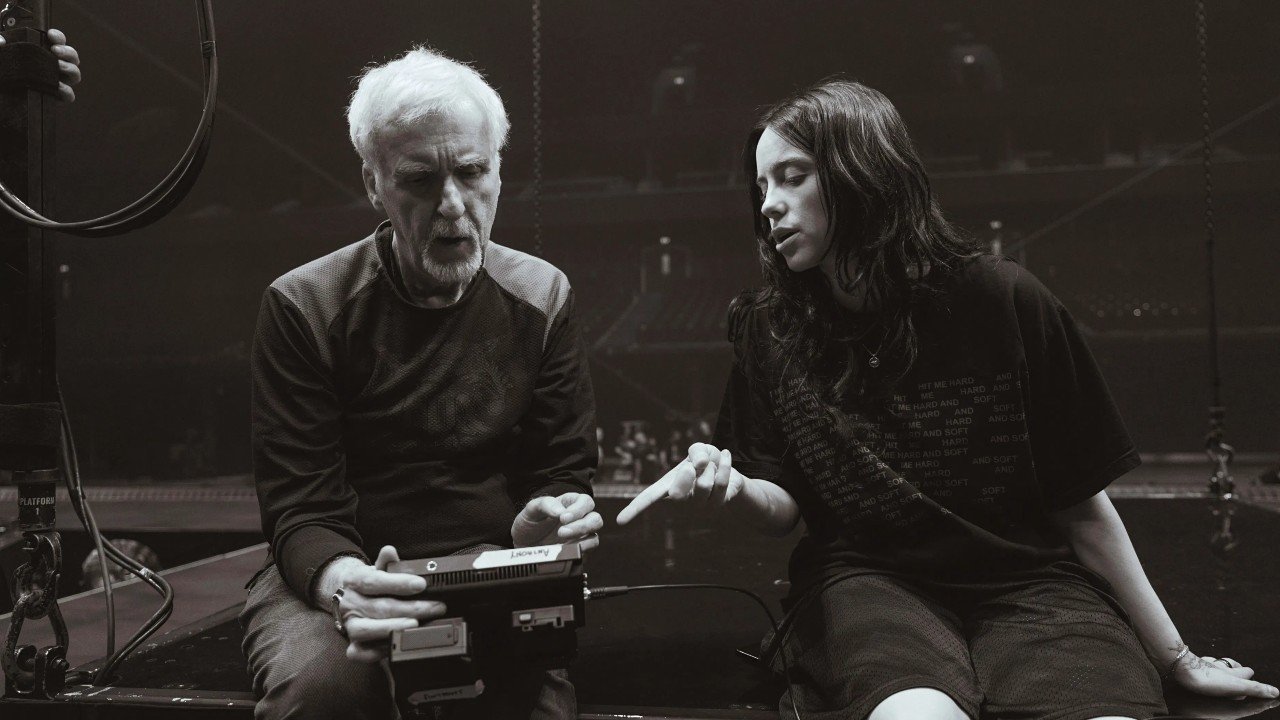
While concert films have been around for decades, at least since 1948's Concert Magic, there has been a recent revitalization of the genre with recent hits including Taylor Swift: The Eras Tour, Renaissance: A Film by Beyoncé, and Harry Styles: One Night in Manchester. Aligning with a rise in the desire for community events after the separation faced in the COVID-19 pandemic, this is a logical outcome. As with any genre that rises, there becomes an additional push for inventiveness within the genre as filmmakers try to create a fresh experience for audience members. Teaming with James Cameron, arguably one of the most technically innovative filmmakers working today, Billie Eilish strives for this achievement with Billie Eilish — Hit Me Hard and Soft: The Tour (Live in 3D). Capturing both the performance on stage and the reality off stage of Eilish's Hit Me Hard and Soft: The Tour concert stop in Manchester, England, the film uses the newest in 3D technology to create one of the most immersive concert film experiences ever seen.
It is remarkable to see what Cameron is able to do with the camera to bring the audience into the concert experience. The 3D is stunning, adding a dimension to the experience that has never been seen to this level before. Hit Me Hard and Soft is far from the first concert film to employ a 3D gimmick, with everyone from Glee to the Jonas Brothers to Phish using the technology at its peak in the 2010s, ironically, a response to the technology's popularity due to Cameron's usage of the technology with the original Avatar. None of these films, however, has the craft or effectiveness of Hit Me Hard and Soft. The popping of the colors, the strobe of the lights, and the feeling of atmosphere have never been this holistically transferred from an arena event to a theater, creating a true visual marvel.
The content of the film also pushes beyond going through the motions. While the bulk of the material for the film's 114-minute runtime sees Eilish on stage performing her hits, the film also works to break the illusion of performance. Whenever Eilish runs off stage, the camera follows her, capturing her brisk chances to catch her breath and take a drink of water to recover. In interview material, Eilish is honest about the physical toll of performance, showing literal scars from the experience that contradict the clean celebration many performers look to project in their outward persona during events such as a world tour. Eilish showed a tremendous vulnerability in R. J. Cutler's 2021 documentary, Billie Eilish: The World's a Little Blurry, which followed the artist as she created her 2019 album, When We All Fall Asleep, Where Do We Go?. This vulnerability continues to define Eilish's persona in cinema, with the singer being open to sharing thoughtful reflections about her struggles with her body, gender expectations, and relationship to fame. Cameron offers a supportive voice for Eilish to bounce off of, but these conversations do not happen if the artist is hesitant to share these stories.
While the film is going to work best for fans of Eilish who have a deeper connection to her music, it does feel like there is enough here that uninitiated individuals will have enough to feel engaged and moved. There is a strong focus given to the power felt by the fans in the audience at the concert. As fans hear the songs that helped them get through difficult times or feel seen, something expressed in interview segments with fans before and after the show, they break down sobbing, completely overwhelmed by what they are feeling. While some of these shots can come off as awkward, as they interrupt the energy of what is happening on stage mid-song, their power and purpose still overall land and translate to the audience the emotions of the event they are witnessing.
This confusion around the layout and design of the energy felt throughout the film is one of the only major flaws within the production. While Cameron is a technical genius, he still struggles with developing and managing narrative, something felt both in his recent Avatar: Fire and Ash, and here. While much of the film is a showcase of the stage show, there is still a narrative being felt by the audience as they watch, and the film does have sequences that can damage the natural flow of what is being seen. Balancing the fast parts of the concert, the slower emotional segments, and the backstage segments that pause the concert experience is a delicate tightrope to walk, and the film, at times, can feel clumsy in this execution.
Hit Me Hard and Soft set a lofty goal for itself of reinventing the concert film genre, and while this transcendent experience might not be fully found, it is still quite impressive work. The visuals are immaculate, and fans of the singer are sure to have an emotional and poignant experience as they not only experience Eilish's vision as an artist but also as a human on their own journey through life.