

Project Hail Mary
Amazon MGM Studios
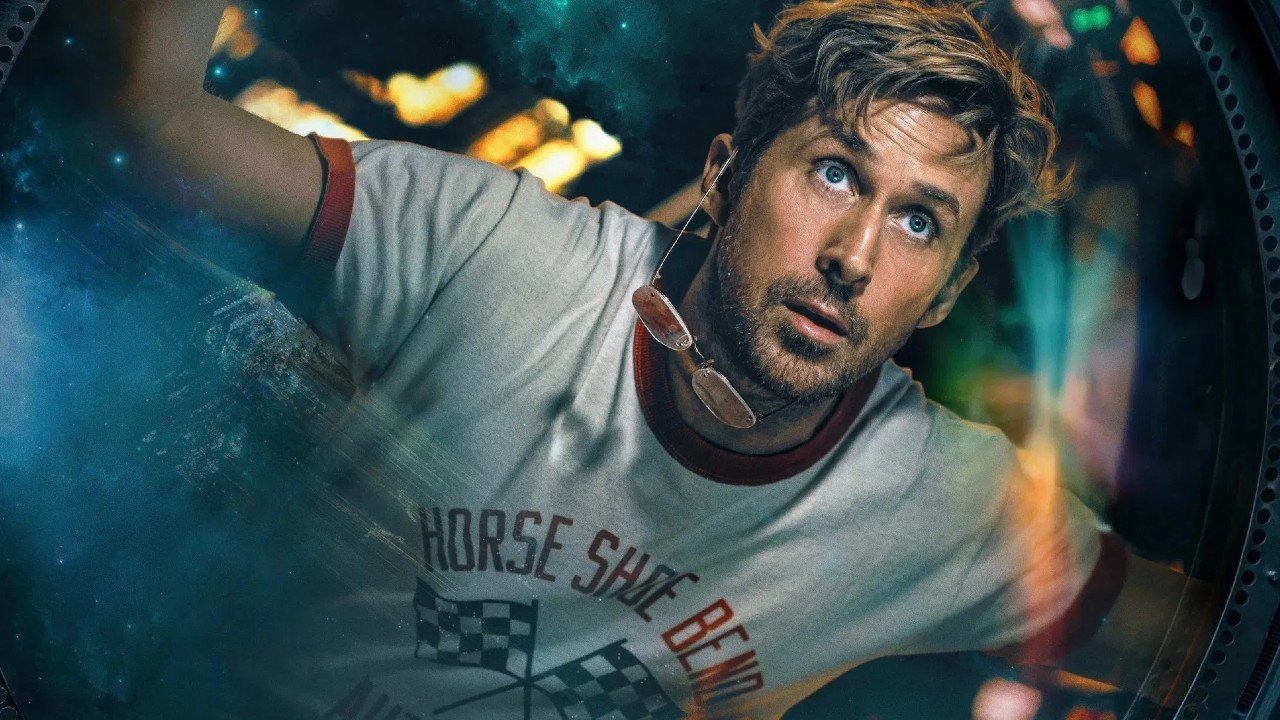
Few modern sci-fi authors have captured the wide interest of audiences like Andy Weir has. Since his debut novel, The Martian, Weir has continued to produce standout work, with Weir's third novel, Project Hail Mary, being considered possibly his best. Originally set to adapt Weir's second novel, Artemis, filmmakers Phil Lord and Christopher Miller would transfer their focus to adapting Project Hail Mary for the big screen, marking the pair's first directorial effort since their 2014 double feature of 22 Jump Street and The Lego Movie. In typical Weir fashion, Project Hail Mary follows the story of a man in isolation as Dr. Ryland Grace (Ryan Gosling) finds himself alone on a spaceship heading to a distant star to try and save all of humanity. A mysterious line between the Sun and Venus, called the Petrova line, was discovered with a small microorganism named Astrophage eating the Sun, slowly dimming it. This creates a global catastrophe, as without a solution, there will be widespread death of living creatures on Earth in only 30 years. While Dr. Grace is unable to remember all the specifics of how he got signed onto the mission, he has no choice but to see it through, as the distant star he is traveling to has been able to somehow survive even with its own Petrova line.
As is the case with Lord and Miller’s previous works, Project Hail Mary thrives in its watchablilty. From the film's opening scene, the film reels audiences in with a production that feels like a film from 30 years ago in the best of ways. Rather than adhering to the modern norms of blockbuster filmmaking, including cheap-looking visual effects, bland stylistic choices, and poorly written comedy meant to appeal to the safest and most generic view of humanity, likely created by an algorithm with additional riffing from Taika Waititi, Project Hail Mary concerns itself with delivering both style and substance that holds its own weight and merit. Rather than digitally creating a spaceship for Gosling to jump around in post, Project Hail Mary employs practical effects and a real set. When Dr. Grace discovers an alien named Rocky, voiced by James Ortiz, the creature is brought to life through puppetry and physical character models. When visual effects are needed to bring the vastness of space to life, they look stunning with thoughtful choices in visual language. From the cinematography by Greig Fraser to the use of color which vibrantly fills the screen, it is hard to imagine Project Hail Mary aging poorly or ever feeling lifeless as so many other projects do immediatly on release, this is not a film designed for a meaningless watch on a phone but is rather clearly a film that values the power of actual filmmaking and deserves to be reckognized for that. While it is almost pathetic that this talking point feels deserving of mention and specific praise, considering it should be the most basic thought behind the craft of filmmaking, for the size of the film, Project Hail Mary feels like a modern rebirth of these lost ideals.
Of course, making a film look beautiful is only half the battle. The film still has to fill its runtime with something worthy and watchable, which Project Hail Mary largely does. Gosling is fantastic as the leading man here, continuing his nearly decade-long streak of picking almost nothing but standout performances. Gosling is the perfect mixture of charismatic and thoughtful, never letting the wit or sarcastic nature of his character undercut the emotion of the situation. When he needs to sit and feel, Gosling proves his versatility by bringing a gravitas to the performance that lands perfectly. While much of the film is a one-man show, the occasional supporting actor throughout the film is also worthy of praise. The character of Rocky is easily one of the most likable protagonists in modern film, bringing such great comedic timing and sincerity to the film. This is heightened by Ortiz's voiceover performance, which comes after Dr. Grace builds a communication system that translates Rocky's language to English. While somewhat awkward and rigid, there is still so much endearment that comes from Ortiz's work, and the character provides the film its biggest moments of emotional power as a result. Through flashbacks, the audience also gets to know Eva Stratt (Sandra Hüller), who is the supervisor of the project and pushes Dr. Grace to believe in his own ability. While Stratt's presence and voice are reduced from the original text, Hüller still gives a wonderful texture and humanity to the project as her cold walls are slowly broken down, climaxing in a karaoke performance of Harry Styles' Sign of the Times that echoes a feeling of hope in a situation that largely feels dire.
However, it is hard to claim that many of these victories are not also due to the original text. Weir is masterful at writing character and dialogue, giving his work a personality while maintaining logic and scientific pointedness. It is a unique skill and talent to be able to adapt novels to the art form of cinema. Both mediums, while similar, carry unique differences when it comes to organization and time management. Adapting a book 1:1 into a film is not only not possible, but often a recipe for disaster. Drew Goddard is responsible for the screenplay of the film, coming after his previous successful adaptation of Weir's The Martian and breakout work in projects such as Cloverfield, The Cabin in the Woods, and Bad Times at the El Royale. While Project Hail Mary does successfully hit nearly all of its major moments of emotion, it does stumble at times in how it translates the organization of the book to the organization of the film.
Using a chapter format with far more time to fill, books are encouraged to use breaks from the action to fill their length and can more easily maneuver between perspectives and scenes using their natural breaks via chapters. Project Hail Mary's use of flashbacks feels especially mistaken. Operating with an already ballooned 156-minute runtime, the film consistently breaks away from key moments of drama and development to flash back to Dr. Grace's experience going from classroom science teacher to astronaut. Dr. Grace doesn't have a memory of these details and remembers this alongside the audience. While these flashbacks are not inherently bad, their placement often feels illogical. The main question being asked through these flashbacks is "how did Dr. Grace get onto the ship?", but as Dr. Grace is actively in the climax of fighting for his life to complete the mission, the weight and importance of this question evaporates. There is no answer or context that truly would change how the audience interacts with this character by the time any reveal is found, causing these to feel like filler that undercuts the momentum of the feature. The repetitive nature of the drama within the film can also grow tiresome. Specifically, when it comes to the character of Rocky, who the film loves to put into peril, it can feel like the weight of each threat towards the character gets less and less emotional as the audience has already gone through the exact emotions multiple times before. As an adaptation, it doesn't feel like the feature quite knows how to handle itself, with even a simple pass of re-editing the film seeming like enough to clean it up significantly.
While Project Hail Mary might not stick the landing as the definitive untouchable masterpiece that some were anticipating, it remains an absolutely worthwhile feature. Incredibly fun and effectively moving, the film is a wonderful showcase for the talent of Ryan Gosling and is a true testament to the power of inspired filmmaking. This is a true crowd-pleaser, and even for its faults its impossible not to get swept up in its ride.