

AFI Fest 2026: Nina Roza
2026 AFI Fest
Geneviève Dulude-De Celles' Nina Roza sees an aging art curator named Mihail (Galin Stoev) stumble upon a viral video of a Bulgarian 8-year-old named Nina (Sofia Stanina) sharing her paintings. Nina's art is highly creative, and she speaks about it with a profound maturity that immediately stands out — a maturity the art world is quick to seize upon. Mihail wants to see her work and bring it back with him to Montreal — the city he has called home after leaving Bulgaria himself 30 years ago. Screening as part of the 2026 AFI Film Festival, Nina Roza both looks at the power of art — examining the value of Nina's work and how the art world reacts to something so provocative — and the effects of being separated from the identity of one’s origins as Mihail returns to a home he has cut out of his life almost entirely.
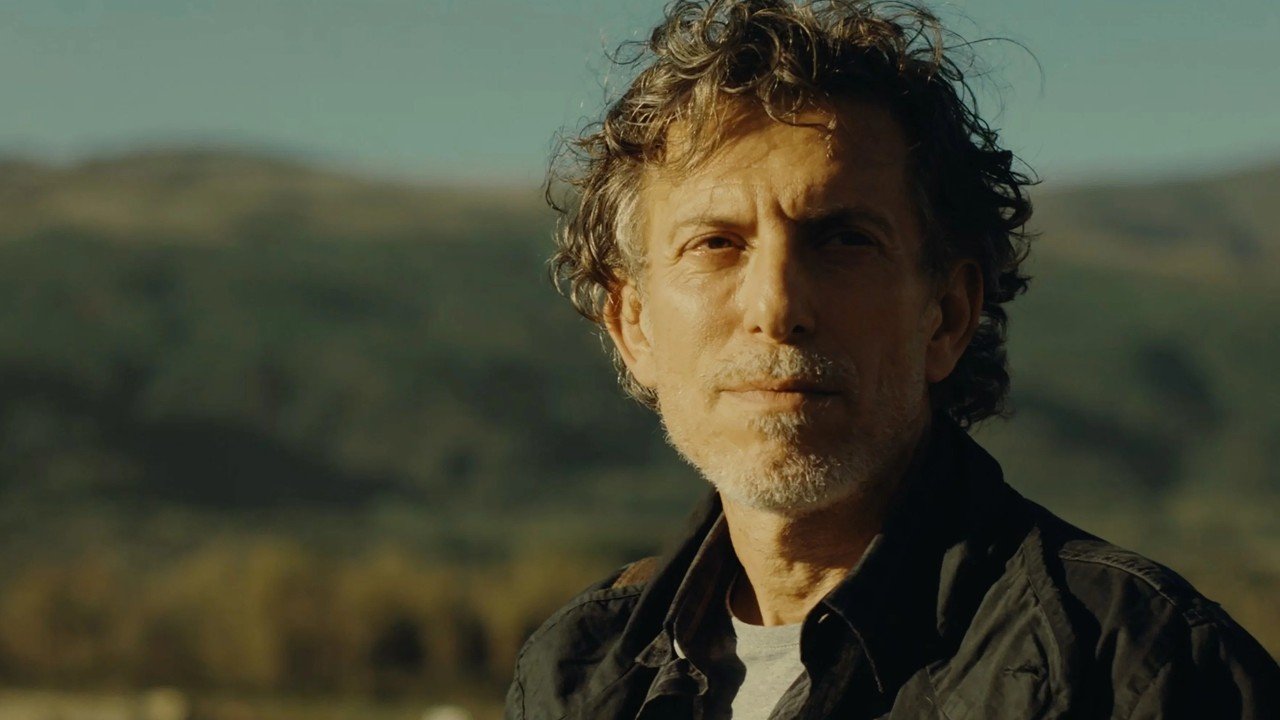
Winning the Silver Bear at the 2026 Berlin International Film Festival, Nina Roza is quite an emotional film that thrives best when it allows itself to sit reflectively alongside Mihail as he returns to Bulgaria. While his trip is for business, Mihail cannot help but revisit memories of his past from the perspective of his new chosen identity. The Mihail who once lived in Bulgaria is gone, supplanted by a new identity forged in the Canadian art world. Stoev is rather fantastic at the emotional task of bringing this man to life, often having to relay his emotional discomfort and pain through silent expressions. Mihail clearly carries complicated feelings about who he has become. While he is grateful for his success and the power of his work, he also feels the impact of having to kill part of who he is in the process. However, this is not an easy thing for Mihail to identify on his own. In this process, he has repressed much of what happened to him in Bulgaria, with his journey uncovering details that are complex for Mihail to digest.
This journey of self-identity is beautifully framed by the film, with cinematographer Alexandre Nour often focusing on landscapes and nature, giving Mihail a quiet, isolated, yet grand space to process. The film's score by Joseph Marchand swells with layered choirs and orchestral pieces, giving the entire piece a grandiose weight. Everything technically highlights the journey that Mihail has gone on to return home, echoing the weight of similar journeys like Odysseus' in The Odyssey.
Of course, Mihail's personal reflection is only part of the film's focus, with the other half being on Nina's work. The art world eats up Nina's video and paintings, finding great potential in the complexity of how she describes her work. Rather than being literal, Nina explains her pieces using broad terms and connections to emotions in a way that would sound beyond pretentious coming from any artist but an 8-year-old. Naturally, there is a question as to how much of this Nina actually means and how intentional she is as an artist, but the art world doesn't get hung up on finding an answer. They see potential for attention and money, and they jump on it. However, they still have to deal with an 8-year-old who is being pulled away from focusing on her art by school and her other interests. When Mihail visits Nina's family and tries to meet with the child to discuss her art, the innocent dynamic Mihail had imagined quickly fades. It is clear that the industry wants to exploit Nina and use her for profit, not truly concerned with her actual goals or interests. Mihail is fair and connects deeply with Nina's pieces as he reflects on his own identity — seeing a sort of mirror in Nina as the industry tries to craft a specific identity for her as an artist that is marketable — but he still ultimately holds the goal of trying to make a deal with her and her family.
While Stoev stands out in his quietness, Stanina is more impressive in her loud expressions. Nina is an aware character who is not afraid to show her emotions. Especially for an actor so young, there is an incredible ability for Stanina to unleash herself on screen, controlling the frame with real power. One of the few underwritten pieces of the film comes in the relationship between Mihail and Nina, with Mihail largely being held back in his conversations with Nina, even when he relates to and understands what she is experiencing on a deeper level. The film is begging for a scene of catharsis where both characters' journeys overlap deeper than they do. Mihail's story overall feels like it is lacking this final piece of conclusion. Much of the film sits with the character, yet it doesn't feel like the film quite hits the nail on the head in its lasting statement. While the audience understands his emotions, it is hard to find a place in the film where the takeaways of what the audience is supposed to do with this message are substantially realized.
This is the largest problem within Nina Roza. While Mihail's story is a moving character study, it also lacks the hook and deeper connection needed to really grab the audience and leave a lasting impact. While individuals will have a deeper connection with his story due to personal conditions that mirror the emotional forces within him, it otherwise can feel a little too far at a distance. Nina's story has a better hook, but ultimately it is Mihail's arc that takes center stage. Nina Roza has strong elements such as its performances and technical craft, but its story feels like it needs one more boost to raise it to where it needs to be.